Virgil Miller, Gayle King's Son-in-Law, Dies at 45
Gayle King’s Son-in-Law Virgil Miller Dies at 45
Virgil Miller, Gayle King’s son-in-law, has died at age 45 after battling cancer, according to reports from People, Variety, E! News, and Us Weekly.
The reports identify Miller as the husband of one of King’s daughters and describe his illness as a battle with cancer. Us Weekly referred to it as a “courageous battle with cancer.”
Four outlets converge on the same core points: the name, the family relationship, the age, and the cause. That convergence matters for verification. Independent newsrooms reaching the same three or four details is the ordinary threshold for treating those details as established, even before a family statement exists. Everything beyond that core — diagnosis, treatment, date of death, funeral plans — remains unreported in the supplied coverage.
What Is Known About Virgil Miller
Miller was Gayle King’s son-in-law and the husband of one of her daughters. The available reports provide limited biographical information about his work, education, hometown, marriage, or personal achievements.
Those details should not be filled in with speculation. Miller should be remembered as an individual and family member, not only through his relationship with a prominent television journalist.
The Confirmed Core of the Story
People reports that Miller died of cancer at age 45 Source 1. Variety reports the same death and the same age Source 3. E! News reports the death, the age, and the cancer Source 5. Us Weekly adds the characterization of the illness and identifies Miller as the husband of King’s daughter Source 7.
Read together, the coverage establishes the death, the age, the relationship, and the cause as the documented core. Each individual report is thin. The overlap is what carries weight.
What Remains Unknown
The supplied reports do not cover Miller’s occupation, employer, schooling, hometown, or the date and circumstances of the marriage. They do not name his spouse. They do not describe hobbies, community roles, or public work.
That absence is not a gap a writer should close by inference. The most frequent error in death reporting of this kind is the plausible-sounding biographical detail — the wrong employer, the wrong school, the wrong city — assembled from social media fragments or from a name that matches someone else. A wrong detail about a private person is not a minor correction. It follows the family permanently.
Why the Framing Matters
Miller was not a public figure in his own right in the supplied coverage. He appears in the record as a family member. Reporting that treats the relationship as the whole story reduces a person to a connection, and reporting that treats the connection as license to publish unverified personal detail does the same thing from the other direction. The defensible middle is narrow: state the confirmed facts, name the sources, and mark the boundary clearly.
Cause of Death and Medical Details
The reports state that Miller died after battling cancer. They do not identify his specific diagnosis, treatment, stage of illness, date of diagnosis, or place of death.
The phrase “courageous battle with cancer” should not be interpreted as evidence of a particular medical history. Further details should be published only if confirmed by the family, a representative, or a reputable news organization.
The reports also do not confirm Miller’s exact date of death, funeral arrangements, or memorial plans.
Reading the Phrase “Courageous Battle With Cancer”
The phrase is a characterization, not a clinical description. Us Weekly used it Source 7. It carries no information about cancer type, stage at diagnosis, treatment course, response to treatment, or duration of illness.
“Cancer” itself is a category, not a single disease. Different types have different trajectories, different treatments, and different survival patterns. A report that says only “cancer” therefore supports only that one word. Inferences drawn from the adjective — that the illness was long, short, sudden, expected, or treatable — are guesses dressed as reading comprehension.
What Would Count as Confirmation
Three routes would move a detail from unconfirmed to publishable: a statement issued by the family, a statement from an authorized representative or spokesperson, or a reputable news organization reporting the detail on the record. Anything short of that — aggregated posts, screenshots, comment threads, secondhand accounts — does not meet the bar. Where such confirmation arrives, the detail can be added and attributed; where it does not, the gap stays visible.
Gayle King’s Reported Absence From CBS Mornings
One report said King stepped away from CBS Mornings to be with her family following Miller’s death Source 9. The report places her absence in the context of a family bereavement but does not establish how long she was away or when she would return.
The supplied coverage does not confirm a personal statement from King or provide details about her longer-term work schedule. Those claims should not be inferred from a temporary absence.
What a Temporary Absence Does and Does Not Signal
A bereavement absence establishes one thing: that a broadcaster was away from the program around the time of a family death. It does not establish the length of the absence, the terms of any leave, a change in role, a departure from the program, or a return date. Announcements about anchor schedules come from the network or the anchor, not from the fact of an absence.
Viewers tracking the story should treat on-air scheduling as a separate fact track from the death itself. The two are linked by context, not by cause. Coverage that merges them produces claims no source in this set supports.
What the Available Reports Confirm
The supplied coverage broadly supports these details:
- Virgil Miller died at age 45.
- He was Gayle King’s son-in-law.
- He was the husband of one of King’s daughters.
- He died after battling cancer.
- Us Weekly described the illness as a “courageous battle with cancer.”
- King reportedly stepped away from CBS Mornings to be with her family.
The reports do not confirm:
- Miller’s exact date of death
- His type or stage of cancer
- His treatment or medical history
- The location of his death
- Funeral or memorial arrangements
- Public comments from his wife or other relatives
- A personal statement from King
How the Details Distribute Across Outlets
The death and the age appear in all four news reports Source 1 Source 3 Source 5 Source 7. Us Weekly contributes the “courageous battle” wording and the explicit identification of Miller as the husband of King’s daughter Source 7. The CBS Mornings absence detail appears in one report Source 9.
That distribution explains why some claims travel further than the evidence behind them. A single-source detail becomes a repeated detail once it enters aggregation, and repetition is not corroboration.
The supplied E! News summary lists a publication date of November 27, 2026. That date should be checked against the original E! News article before publication. The supplied link is a Google News RSS redirect rather than a direct article URL, so the original publication should be used as the definitive source when available.
Why the RSS Links Are Not the Sourced Article
Google News RSS links route through a redirect and can change or expire. They point to the article but are not the article. For citation purposes, the originating outlet’s own URL, headline, byline, and timestamp are the record. Anyone verifying the details above should open the outlet’s page directly rather than relying on the redirect.
Reporting on the Family’s Loss
Sensitive coverage should distinguish confirmed facts from speculation. Claims about Miller’s final days, medical procedures, private family events, or emotional responses should not be included without reliable sourcing.
The family may choose to keep personal and medical matters private. The absence of additional information does not justify speculation. New details should be added only after confirmation from the family, a direct representative, or a reputable publication.
Practical Guidance for Readers
Three habits separate reading this story from spreading a distorted version of it. First, check whether a detail appears in more than one outlet, and whether those outlets did their own reporting or repeated one source. Second, treat quoted characterizations — “courageous battle,” “long illness,” “sudden” — as tone rather than data. Third, when a claim has no attributable source, wait. A gap in coverage is not an invitation to fill it.
Sharing is publication. A screenshot of an unverified claim carries the same reach as a headline and none of the editorial checks. Where a detail is unconfirmed here, it is unconfirmed everywhere until a source stands behind it.
Frequently Asked Questions
Who was Virgil Miller?
Virgil Miller was Gayle King’s son-in-law and the husband of one of her daughters, according to reports from People, Variety, E! News, and Us Weekly Source 1 Source 7.
How old was Virgil Miller when he died?
The reports identified Miller as 45 years old.
What did Virgil Miller die from?
He died after battling cancer. The available reports do not identify the type of cancer or provide detailed medical information.
Did Gayle King leave CBS Mornings?
One report said King stepped away from CBS Mornings to be with her family after Miller’s death Source 9.
Did Gayle King issue a public statement?
The supplied source summaries do not confirm a specific public statement from King. Any statement should be verified through a direct source or reputable publication.
Are funeral arrangements available?
No funeral or memorial arrangements appear in the supplied source summaries. Those details should be added only after confirmation from the family or a reliable publication.
Why do the reports differ in detail?
The outlets cover the same confirmed core but vary in what else they include. Us Weekly adds the “courageous battle” description and the daughter identification Source 7, and one report carries the CBS Mornings absence Source 9. Differences in detail reflect different reporting, not different events.
Should unconfirmed details be added later?
Yes, once confirmed and attributed. Until then, the gaps in this article are deliberate. They describe what the supplied reporting actually establishes, and they protect a private family from errors that cannot be retracted once published.
Related Articles
-
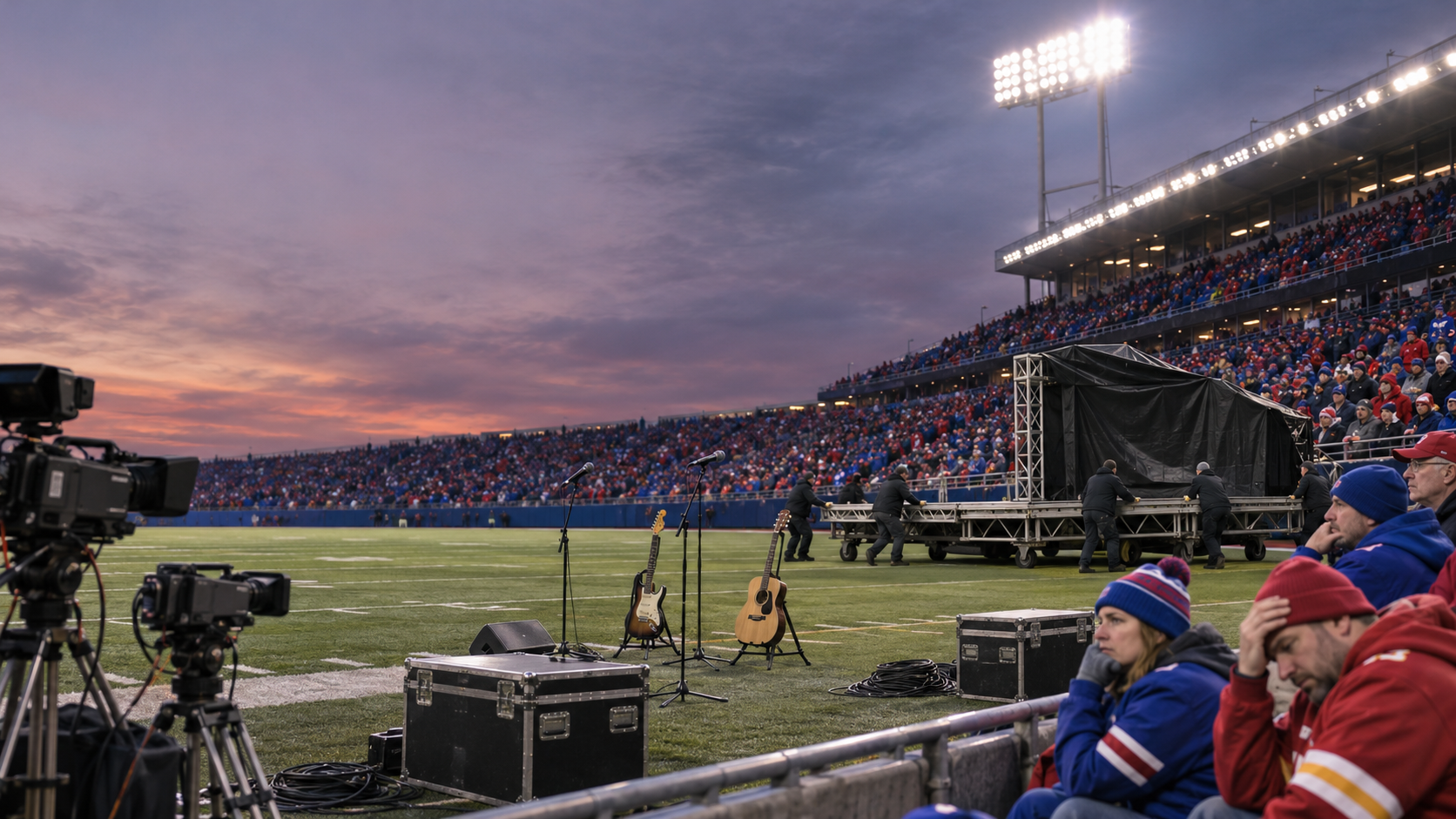 NBC Faces Backlash Over Goo Goo Dolls Halftime Omission
-
 Sunrise on the Reaping Leads Thanksgiving Box Office
-
 Tyler Duckworth Cause of Death: What Reports Confirm
-
 Donald Trump Jr. Criticizes Netflix’s The Hunting Wives Teaser
-
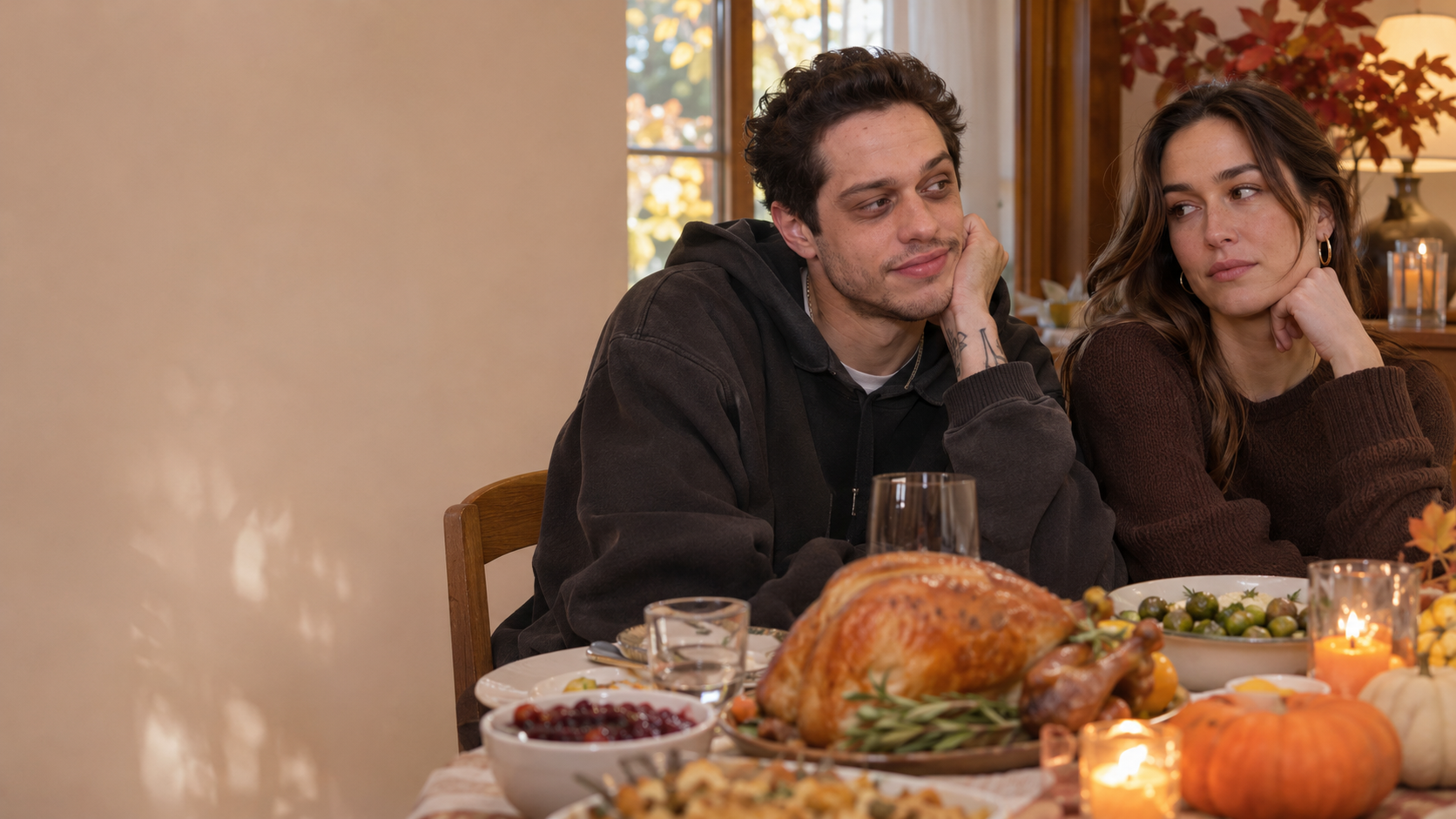 Pete Davidson and Elsie Hewitt Spend Thanksgiving Together
-
 Princess Kate Calls Cancer Journey a “Lonely Road”
-
 Nicole Scherzinger and Thom Evans Reportedly Split
-
 Jada Pinkett Smith Thanksgiving Post After Reported Fire
-
 Depardieu Ordered to Stand Trial in Paris Rape Case
-
 Zach Hickerson Says Brian Is Struggling Amid Reports
-
 Horoscope for November 27, 2026: All Zodiac Signs
-
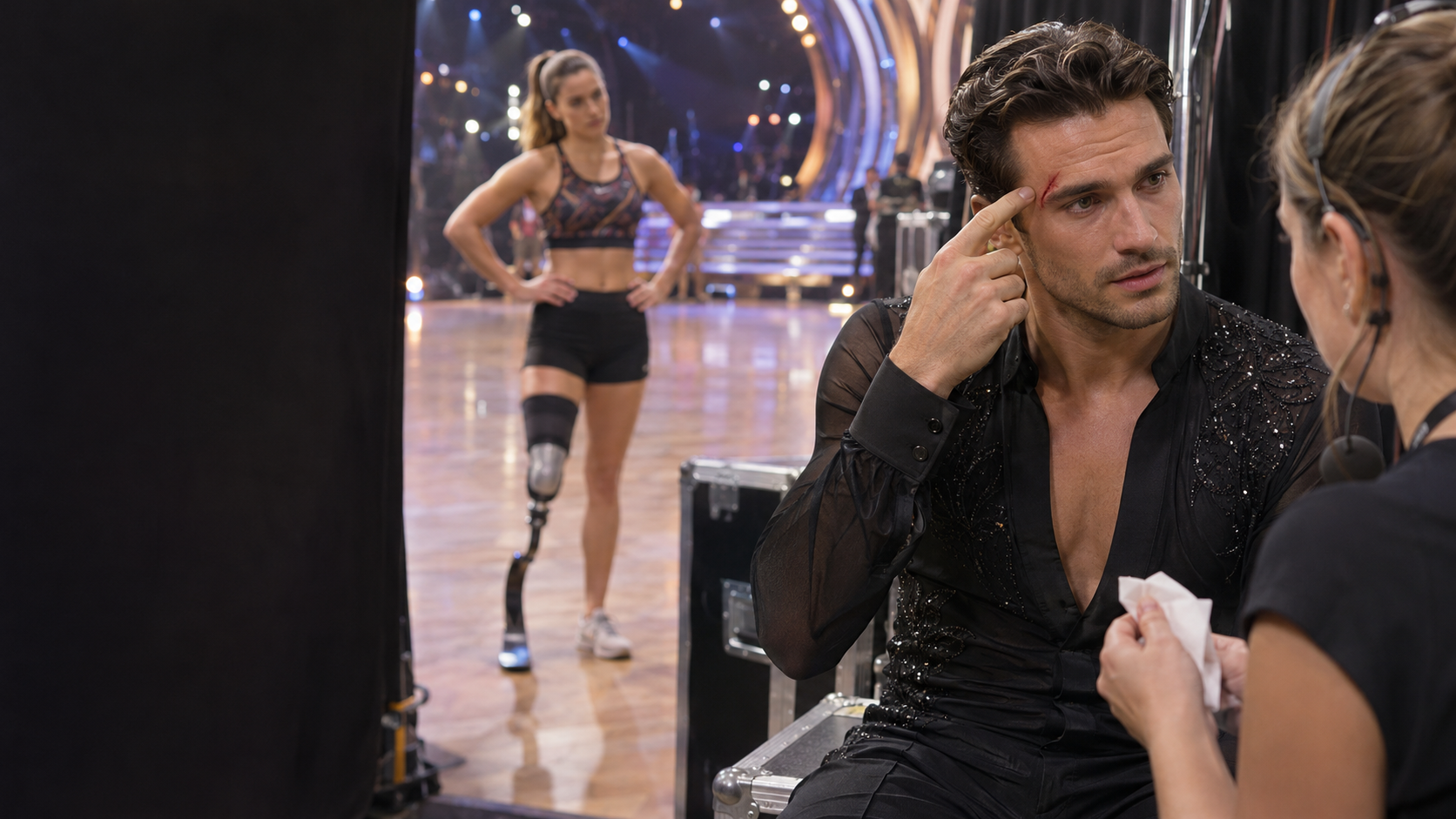 Brandon Armstrong Cut After DWTS Finale Prosthetic Incident
-
 Jen Affleck, Zac Affleck Reunite for Thanksgiving
-
 Sunrise on the Reaping Targets $85 Million Thanksgiving
-
 Melissa Gilbert Thanks Supporters of Timothy Busfield
-
 Alan Bersten Speaks After Helping Ezra Frech on DWTS