Thanksgiving Storm 2026: NYC Weather and Parade Updates
Thanksgiving Storm 2026: NYC Weather and Macy’s Parade Updates
Published: November 24, 2026
Last updated: November 24, 2026
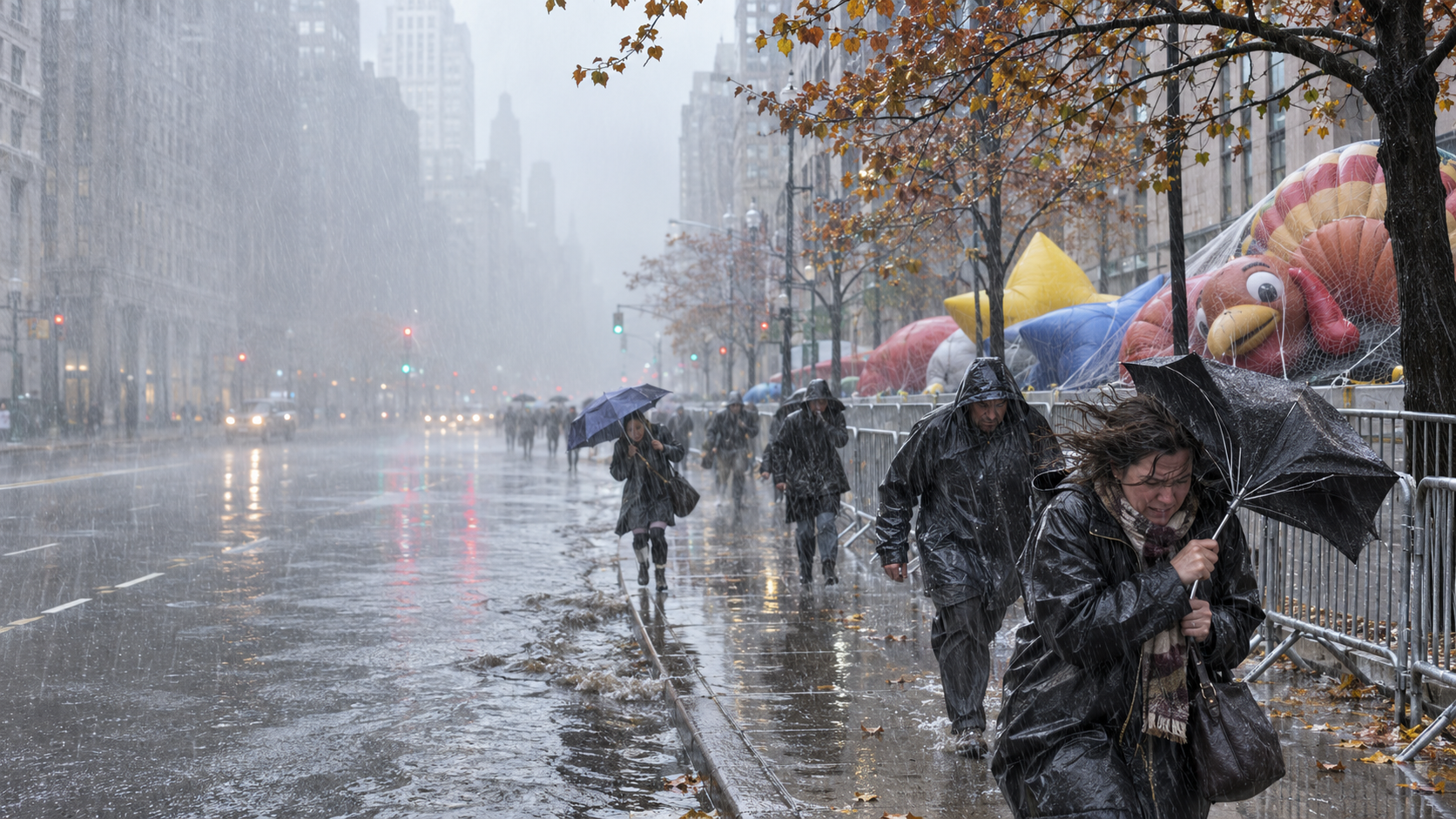
A powerful Thanksgiving storm could disrupt travel across parts of the eastern and central United States. New York City may experience heavy rain, strong winds, urban and coastal flooding, power outages, and delays at airports, rail stations and on roads.
The storm’s track, timing and severity may change as Thanksgiving approaches. Check official forecasts and transportation updates shortly before traveling or attending outdoor events. A storm should not be called a nor’easter unless the National Weather Service or another authoritative meteorological source uses that classification.
Latest NYC Thanksgiving Storm Update
- Latest update: November 24, 2026
- Current NYC alert: Check the National Weather Service New York, NY office
- Parade status: Check official Macy’s and city announcements
- Travel status: Check airlines, airports, the Metropolitan Transportation Authority, New Jersey Transit and the Port Authority
NYC Thanksgiving Storm Forecast
Reports indicate that a large weather system could bring heavy rain and strong winds to the East Coast, affecting holiday travel for millions of people. The most important forecast details for New York City are:
- Storm arrival time
- Rainfall intensity and totals
- Peak wind gusts
- Coastal water levels and tide timing
- Temperature changes
- Duration of hazardous conditions
- Effects on roads, transit and airports
A small shift in the storm’s track could change where the heaviest rain falls and whether the strongest winds reach New York City directly.
Wednesday Before Thanksgiving
Rain and increasing winds could create the first significant travel impacts on Wednesday. Travelers should check flight and rail status before leaving home and allow extra time for delays.
Wet or windy conditions could also affect parade setup, staging areas and temporary structures along the route.
Thanksgiving Morning
Thanksgiving morning is the critical period for parade spectators and participants. Monitor rain intensity, wind gusts, visibility, flooding near streets and transit entrances, and conditions affecting balloons, floats and temporary structures.
Confirm the parade status and transportation conditions before heading to Manhattan.
Thanksgiving Afternoon and Evening
The storm could peak during the afternoon or evening, depending on its speed and track. Continued rain and wind could affect return trips, airport operations and holiday gatherings. Standing water, fallen branches and transportation disruptions may continue even after rain weakens.
Friday Travel Period
Friday could bring residual wind, floodwater, cleanup activity and delayed flights or trains. Check conditions again rather than assuming that improving weather means normal service has returned.
Forecast Confidence and Weather Alerts
A long-range outlook describes a possible weather pattern. It is not an official alert or a confirmed observation.
- Outlook: Indicates a potential risk several days ahead.
- Watch: Means hazardous conditions are possible and preparation should begin.
- Warning: Means hazardous conditions are occurring, imminent or highly likely.
- Observation: Reports what has already happened at a specific location.
A High Wind Watch does not mean damaging winds are certain. It means dangerous conditions could develop if the forecast verifies. Alerts may be upgraded, downgraded or canceled as new data arrives.
Check current alerts at weather.gov/alerts.
Rainfall and Flooding Risk in NYC
Urban Flooding
New York City can flood quickly when rain falls faster than streets and drainage systems can handle it. Dense development leaves less open ground for water to absorb, while blocked drains, construction debris and fallen leaves can reduce drainage capacity.
Use extra caution near:
- Underpasses
- Basement apartments
- Low-lying streets
- Waterfront walkways
- Coastal areas
- Streams and drainage channels
- Underground entrances and stairways
Urban flooding can occur without coastal storm surge. Intense rain may create dangerous conditions in one neighborhood while nearby streets remain passable.
Coastal Flooding and High Water
Coastal flooding occurs when high tides, storm surge and onshore winds push water toward the shoreline. A storm arriving near high tide may cause more serious flooding than the same storm arriving during lower water levels.
Monitor National Weather Service coastal flood alerts, NYC emergency notifications, evacuation guidance, flood maps and transportation alerts. Waterfront areas may remain dangerous after the heaviest rain ends because water can drain slowly, waves may remain elevated and debris can create additional hazards.
Flooding Safety
Do not drive through flooded roads. Water may hide open manholes, damaged pavement and electrical hazards, and moving water can carry vehicles away.
Avoid walking through moving or contaminated floodwater. Move vehicles from flood-prone locations when officials advise it, keep phones charged and follow evacuation instructions immediately.
Six inches of moving water can knock a person down, and deeper water can move a vehicle.
Wind Forecast and High Wind Alerts
Strong or damaging winds are among the main concerns associated with the storm. Possible impacts include:
- Fallen branches and trees
- Scattered power outages
- Difficult driving for high-profile vehicles
- Loose outdoor objects
- Damage to temporary structures
- Parade disruptions
- Delays on bridges and exposed roadways
Use the latest official forecast for sustained winds and peak gusts rather than unverified wind-speed graphics.
Wind Safety
Before the storm:
- Secure outdoor decorations, furniture and trash containers.
- Bring loose objects indoors.
- Stay away from trees, scaffolding and construction zones during strong gusts.
- Use caution on bridges and open waterfront areas.
- Avoid unnecessary travel during the most dangerous period.
- Keep flashlights and backup batteries available.
Never use a generator indoors, in a garage or in another enclosed space. Carbon monoxide can be fatal.
Power Outage Risk
Strong winds and saturated ground can increase the risk of falling trees and branches. Outages may also result from damaged utility equipment, downed power lines or flooded infrastructure. Local utility reports provide the most reliable information for specific boroughs and neighborhoods.
Prepare by:
- Charging phones, medical devices and backup batteries
- Keeping flashlights available instead of relying on candles
- Storing water and shelf-stable food
- Keeping refrigerators and freezers closed as much as possible
- Planning for medications that require refrigeration
- Checking on older adults, disabled people and neighbors who rely on electricity
- Reporting outages through the local utility’s official service
Use generators outdoors and away from windows, doors and vents. Never use a gas stove, charcoal grill or outdoor grill to heat a home. Test carbon monoxide detectors and replace batteries if needed.
Macy’s Thanksgiving Day Parade Weather Updates
Heavy rain, strong wind gusts, reduced visibility, wet sidewalks, flooding and unsafe conditions could affect balloons, floats, performers and spectators.
Rain alone does not automatically cancel the parade. Macy’s and city officials make decisions based on safety conditions, including wind, flooding, visibility and route conditions. Large character balloons are particularly sensitive to wind, so officials may modify, delay or restrict balloon operations.
The parade status cannot be confirmed from a general storm forecast. Check the official Macy’s Thanksgiving Day Parade page and city announcements rather than relying on social media claims or old reports.
Spectators should wear waterproof layers and shoes with good traction, plan alternate transportation and allow extra time for security and transit delays. Avoid trees, temporary structures, scaffolding and flood-prone areas. Leave if police, city officials or event personnel issue instructions.
Thanksgiving Travel Impacts
Airports
Heavy rain and strong winds can cause departure or arrival delays, cancellations, gate changes, ground-operation delays and, if temperatures fall, deicing delays.
Travelers using John F. Kennedy International Airport, LaGuardia Airport or Newark Liberty International Airport should check directly with their airline and airport before leaving home. Confirm rebooking policies because conditions can change quickly.
Subways, Buses and Commuter Rail
Flooding, fallen branches, signal problems and power failures can affect public transportation. Outdoor platforms, elevated lines and exposed routes may experience additional impacts.
Check:
- Metropolitan Transportation Authority service alerts
- New Jersey Transit alerts
- Port Authority announcements
Allow extra time and prepare for service changes. One operating subway line does not mean the entire system is running normally.
Roads, Bridges and Tunnels
Standing water, reduced visibility and fallen debris can make driving hazardous. Bridge and tunnel restrictions may affect high-profile vehicles during strong winds.
Delay nonessential trips during the worst conditions. Carry a charged phone, water and basic emergency supplies. Never drive around barricades or through flooded roadways.
What NYC Residents Should Do Now
- Stock water, food and essential medications.
- Charge phones and backup batteries.
- Protect important documents from floodwater.
- Secure outdoor furniture, decorations and containers.
- Plan for children, pets and people with medical needs.
- Identify nearby shelters or safe locations.
- Check storm-related insurance coverage.
- Save utility, emergency management and transportation contacts.
Do not wait for a warning to begin basic preparations. Conditions can worsen before supplies or transportation are available.
Reliable Weather and Emergency Sources
Use these sources for current information:
- National Weather Service New York, NY
- National Weather Service alerts
- NYC Emergency Management
- Local utility outage maps
- Official airport and airline updates
- Metropolitan Transportation Authority alerts
- New Jersey Transit updates
- Port Authority announcements
- Official Macy’s parade communications
Treat unverified storm maps and cancellation claims cautiously. Check the publication time, location and forecast source. A weather-model projection is not the same as an issued warning.
Bottom Line
The key developments for New York City are the storm’s track and arrival time, National Weather Service wind and flood alerts, rainfall totals, coastal water forecasts, power outage reports, transportation conditions and official Macy’s Parade decisions.
The forecast remains subject to change. Check official updates shortly before traveling to New York City, attending the parade or beginning a return trip.
Frequently Asked Questions
Will it rain in New York City on Thanksgiving 2026?
Current reports indicate a risk of heavy rain across parts of the East Coast, but the timing and intensity in New York City require updated official forecasts. Check the National Weather Service New York, NY office before traveling.
How strong will the winds be in NYC?
Strong or damaging winds are a reported concern. Use the latest National Weather Service forecast for confirmed sustained-wind and gust values. Do not rely on unofficial maps or outdated articles.
Could Thanksgiving 2026 bring flooding to New York City?
Yes. Heavy rain, high tides and onshore winds could create urban or coastal flooding. Avoid flooded roads and follow National Weather Service and NYC emergency alerts.
Will the Macy’s Thanksgiving Day Parade be canceled?
No cancellation should be assumed from a general storm forecast. Macy’s and city officials may modify balloon operations, the route or spectator procedures based on safety conditions.
Will flights and trains be delayed?
Heavy rain, strong winds, flooding and power problems could cause delays or cancellations. Check directly with airlines, airports and transit agencies before leaving home.
How can New Yorkers prepare for power outages?
Charge devices, store water and shelf-stable food, prepare medications, secure outdoor items and use generators only outdoors and away from buildings. Never use a gas stove or grill to heat a home.
Related Articles
-
 Who Won Dancing With the Stars Season 32?
-
 Hunger Games: Sunrise on the Reaping Box Office Outlook
-
 Sierra Towers Death: What Reports Confirm
-
 The Murder of JonBenét Ramsey Trailer Explained
-
 Thanksgiving Storm 2026: NYC Rain, Wind and Flood Risk
-
 The Rings of Power Renewed for Season 4
-
 Hexed Review: Disney’s Potentially Dark YA Fantasy
-
 Did Rob Lowe’s 1988 Scandal Lead to a MAGA Turn?
-
 Antoine Fuqua Assault Lawsuit: Gun and Slur Allegations
-
 Vanity Fair's Alleged Taylor Swift Code Names Explained
-
 Sheila Mangubat Cause of Death: What Reports Confirm
-
 The 200 Best Songs of the 1990s
-
 Antoine Fuqua Alleged Gun Assault Claims Denied
-
 Tarot Horoscope for Tuesday, November 24, 2026
-
 Justin Timberlake Documentary Trailer: What We Know
-
 Avengers: Doomsday Trailer: Why Steve Rogers Matters