Andy Taylor: Duran Duran Guitarist and Legacy
Andy Taylor: Duran Duran Guitarist and Legacy
Reports circulated claiming that Andy Taylor, the guitarist associated with Duran Duran’s classic lineup, died at 65 after battling prostate cancer. However, the supplied material does not include a directly accessible obituary or an independently verified statement from Duran Duran, Taylor’s representatives, or a primary publication. The claims should therefore be treated cautiously until the original reports are confirmed.
One supplied summary attributes the report to The New York Times, while others refer to Yahoo, Newser, and The Daily Beast. The provided links lead to Google News RSS pages rather than direct article pages, and several sources offer only brief headlines or incomplete descriptions. The available material supports discussion of the reports, but it does not establish every detail as confirmed fact.
Who Was Andy Taylor?
Andy Taylor was the guitarist in Duran Duran’s classic five-member lineup, alongside Simon Le Bon, Nick Rhodes, John Taylor, and Roger Taylor. The three Taylors were not related, but their shared surname became one of the band’s familiar curiosities.
Musically, Taylor added attack, movement, and rock energy to Duran Duran’s polished blend of new wave, synth-pop, funk, dance-rock, and art-rock. Nick Rhodes supplied expansive keyboard textures, John Taylor provided melodic bass lines, Roger Taylor anchored the arrangements with dance-oriented drumming, and Le Bon gave the songs their dramatic vocal character. Taylor’s guitar connected those elements to the physical impact of a live rock band.
His contribution could drive a rhythm, punctuate a chorus, reinforce a hook, or intensify a concert performance. He was not simply a visual or peripheral member. His playing was an important part of the interaction that defined Duran Duran’s breakthrough-era sound.
Duran Duran’s Rise
Duran Duran emerged as new wave expanded beyond specialist audiences. Music television gave the band a powerful route to international recognition through stylish videos, distinctive clothing, memorable performances, and repeated visual exposure.
The group’s crossover appeal came from its combination of songwriting, musicianship, production, image, and timing. Taylor’s guitar helped the band reach both pop listeners and rock audiences. The songs remained accessible, but the guitar supplied enough edge to keep the music from feeling purely electronic or mechanical.
Taylor also helped the band translate its elaborate studio arrangements to the stage. His live presence gave the music a more immediate and physical quality.
Taylor’s Guitar Style
Taylor’s guitar often worked as a counterpoint to Rhodes’s synthesizers. It could serve several purposes:
- Driving rhythmic passages.
- Adding sharp attacks around vocal lines.
- Creating texture beneath keyboard parts.
- Reinforcing memorable hooks.
- Increasing the intensity of live performances.
- Connecting electronic arrangements to rock instrumentation.
This was not a conventional guitar-dominant rock formula. Taylor played within arrangements in which keyboards, bass, drums, vocals, and guitar had to coexist. That restraint made individual accents and melodic phrases more effective.
His work demonstrated how guitar could remain central in productions shaped by synthesizers, sequencers, drum machines, and digital effects. He gave Duran Duran’s music motion and physical presence without overwhelming its sophisticated pop framework.
The “Live-Wire” Description
“Live-wire guitarist” is a useful description of Taylor’s performance style, but the supplied reports do not establish it as an official nickname. Another source uses “Wild Boy,” yet that phrase is also not confirmed as a formal title associated with Taylor. Both descriptions should remain editorial language unless reliable primary reporting supports them.
The characterization is understandable. Taylor performed with energy and force, giving Duran Duran a visible connection to rock tradition while remaining part of a band built around electronic textures, dance rhythms, and fashion-conscious presentation.
Career Beyond Duran Duran
Taylor’s musical identity extended beyond his years with Duran Duran. A complete biography should distinguish carefully among solo recordings, collaborations, session work, guest appearances, reunion activity, and other projects.
The supplied source summaries focus mainly on his role in Duran Duran and do not provide enough verified information for a detailed chronology of his later work. Those credits should be checked against authoritative discographies, record labels, archival interviews, and original publications before inclusion.
Illness and Death Reports
One supplied report states that Taylor died after battling prostate cancer. The summary does not provide a full medical timeline, treatment history, or direct statement from Taylor or his family. Those details should not be added without reliable confirmation.
Medical reporting should distinguish among a reported diagnosis, a publicly announced illness, a statement about treatment, and a reported cause of death. The prostate cancer claim should therefore be attributed to the report rather than presented as independently established.
Several supplied summaries report that Taylor died at 65. One attributes the claim to The New York Times, while another identifies Yahoo as the source.
Because the supplied links are Google News RSS URLs rather than direct publication pages, editors should verify the original articles before publishing a definitive obituary. They should confirm the date, the wording of any cause-of-death report, and whether a family member or representative issued a statement.
The unrelated entries concerning Keldon Johnson, Stanford basketball, Scoot Henderson, Incarnate Word basketball, and Tobias Harris provide no useful context and should not be used in reporting about Taylor.
Legacy
Andy Taylor added rock force to Duran Duran’s sophisticated pop framework. His guitar worked with the rhythm section, keyboards, and vocals rather than existing separately from them. That relationship explains why his contribution remains recognizable: the guitar supplied attack, movement, and live presence without defining the band alone.
Taylor also belongs to the history of new wave, MTV-era pop, synth-driven rock, and fashion-led music marketing. Duran Duran’s music, videos, clothing, photography, and performances formed a unified cultural package. Within that model, Taylor helped preserve the image of a working rock band.
The reports about his death require careful verification. His musical legacy is less uncertain. As a guitarist in Duran Duran’s classic lineup, Taylor helped connect electronic pop with rock intensity and live-band energy.
Frequently Asked Questions
Who was Andy Taylor?
Andy Taylor was the guitarist associated with Duran Duran’s classic lineup and breakthrough period. His playing added a strong rock dimension to the band’s new wave and synth-pop sound.
How old was Andy Taylor when he died?
The supplied death reports state that Taylor was 65. The original publication pages should be verified before that age is presented as confirmed.
What was the reported cause of Andy Taylor’s death?
One supplied report states that Taylor died after battling prostate cancer. The claim should be attributed to a verified original source, and unconfirmed medical details should be excluded.
What was Andy Taylor’s role in Duran Duran?
Taylor played guitar and contributed to the band’s energetic, rock-influenced sound. His parts worked alongside Nick Rhodes’s keyboards, John Taylor’s bass, Roger Taylor’s drums, and Simon Le Bon’s vocals.
Was Andy Taylor known as Duran Duran’s “Live-Wire” guitarist?
“Live-wire guitarist” is a descriptive phrase, not a confirmed official nickname. The available material also does not establish “Wild Boy” as an official nickname.
Why was Andy Taylor important to Duran Duran?
He balanced the band’s polished pop and electronic production with forceful guitar performance. His playing helped Duran Duran reach mainstream pop audiences while retaining a strong live-band identity.
Related Articles
-
 Alan Bersten Speaks After Helping Ezra Frech on DWTS
-
 Horoscope for November 26, 2026: All Zodiac Signs
-
 Andy Taylor Death Report: What Is Confirmed
-
 Pitt and Jolie Settle Château Miraval Winery Lawsuit
-
 Ezra Frech Wins Dancing with the Stars Season 35
-
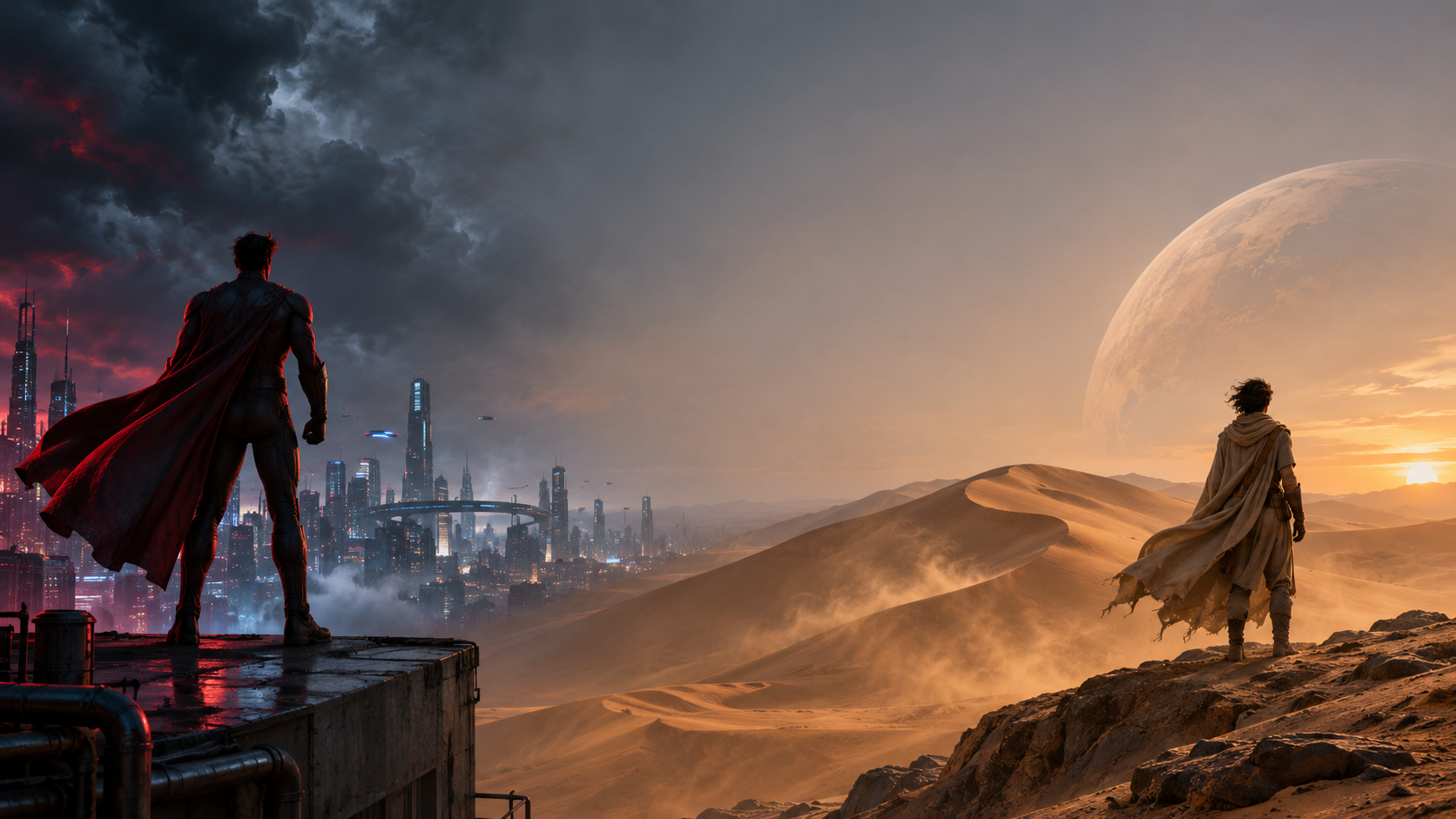 Avengers: Doomsday Eyes $270M Opening as Dune 3 Builds
-
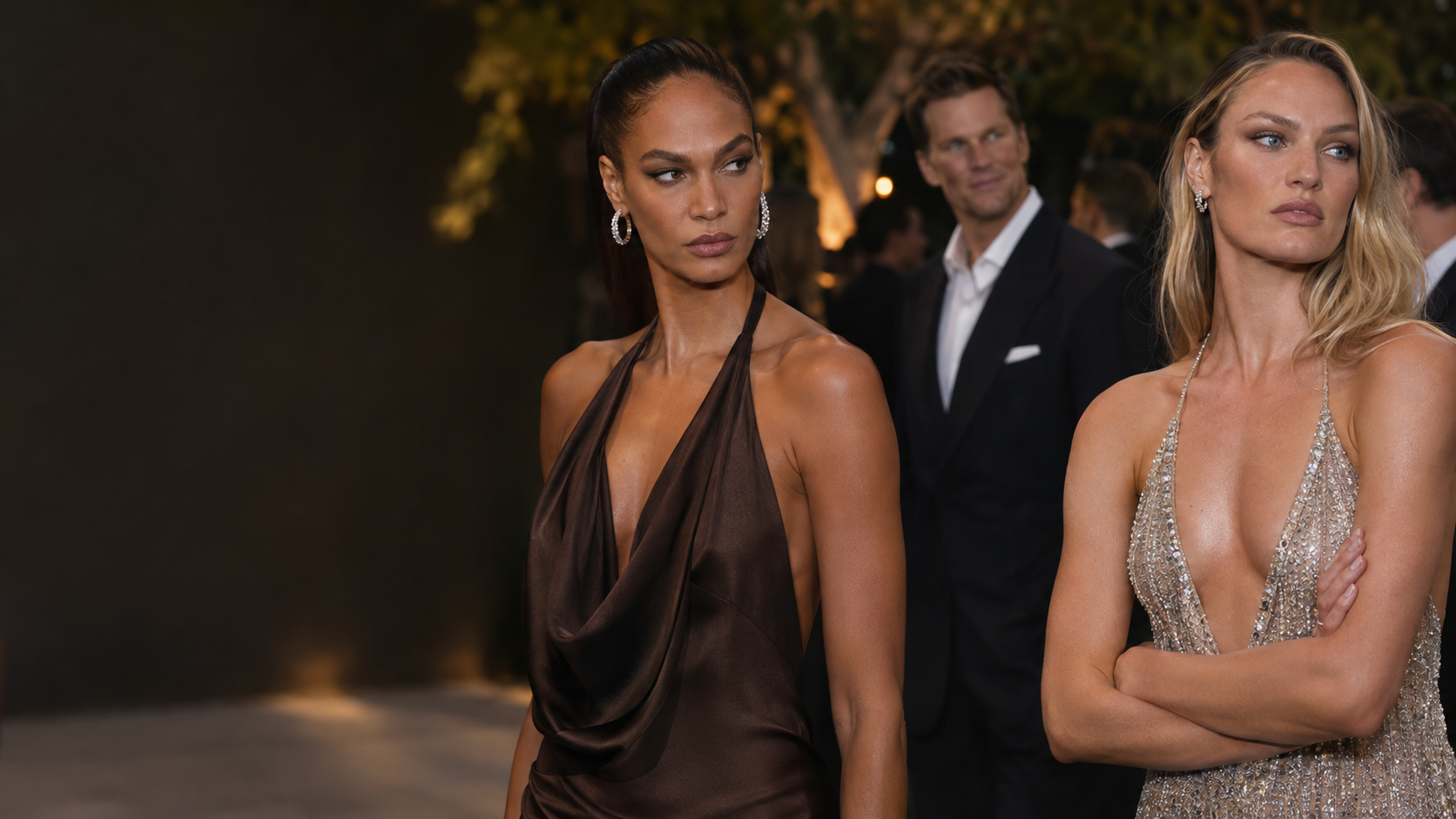 Joan Smalls Confirms Fallout With Candice Swanepoel
-
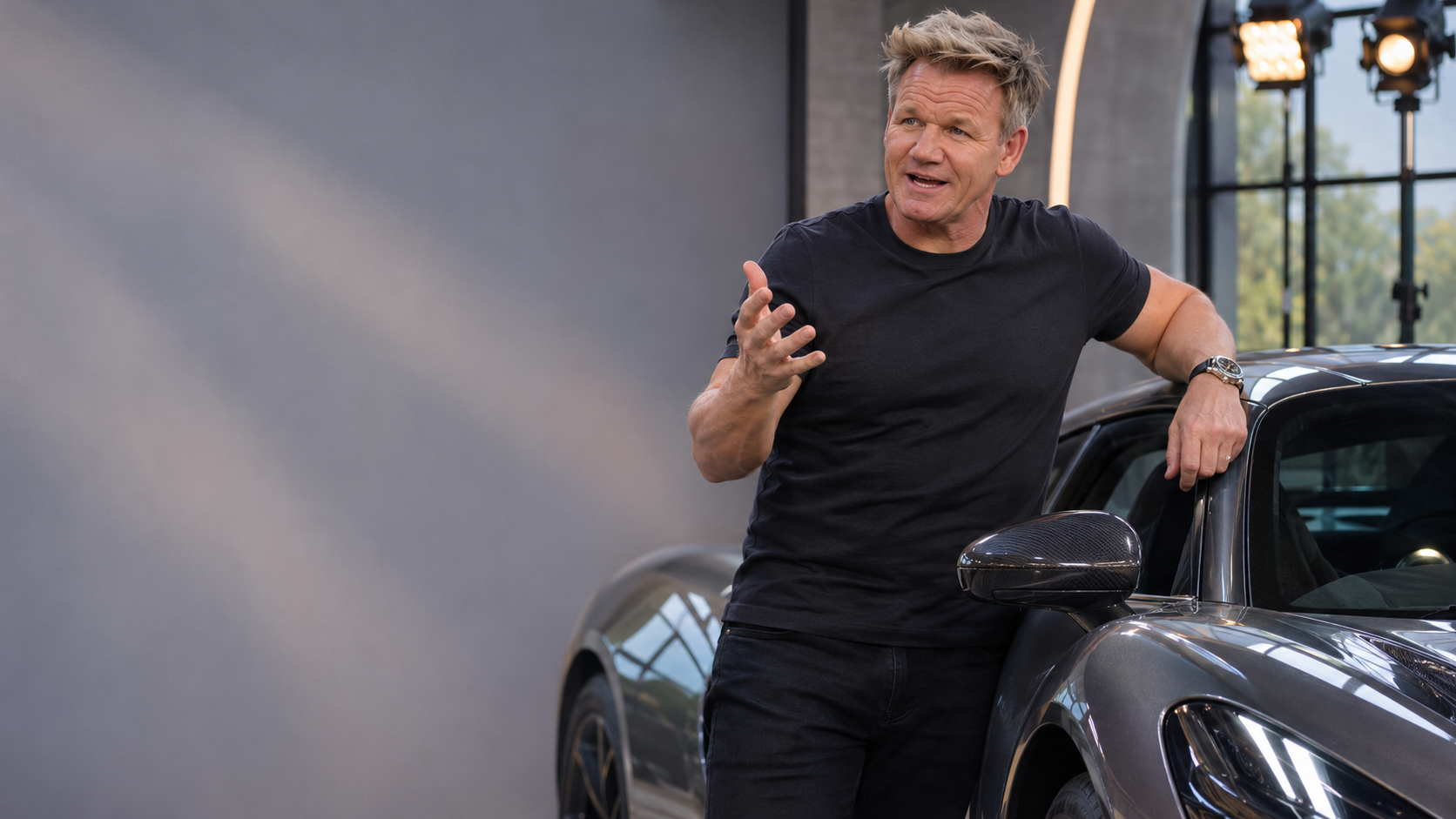 Gordon Ramsay Reportedly Set to Host Top Gear in 2028
-
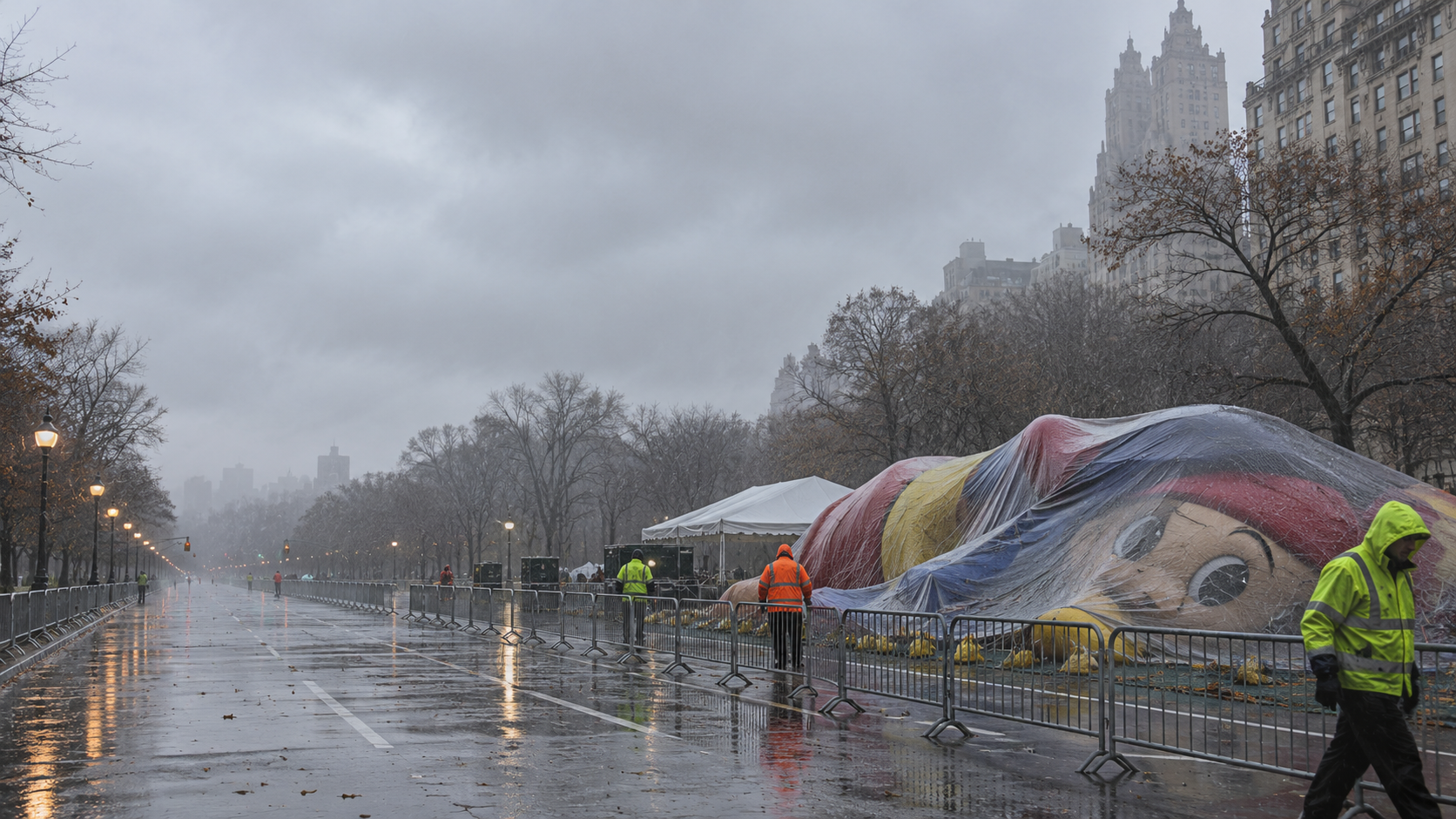 Macy’s Thanksgiving Parade Postponed Due to Weather
-
 Andy Taylor Reportedly Dies at 65: Career and Legacy
-
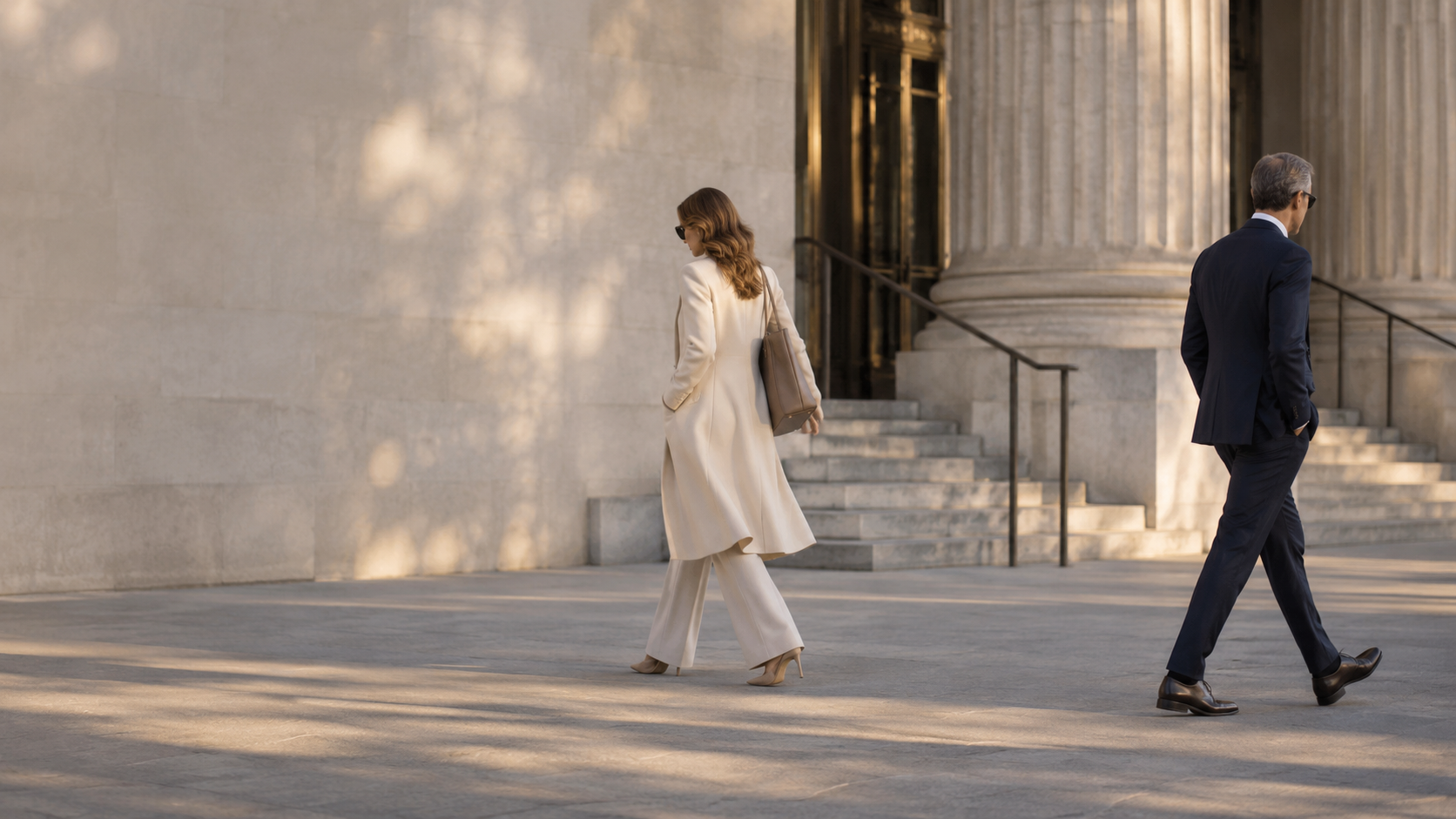 Brad Pitt and Angelina Jolie Settle Miraval Legal Dispute
-
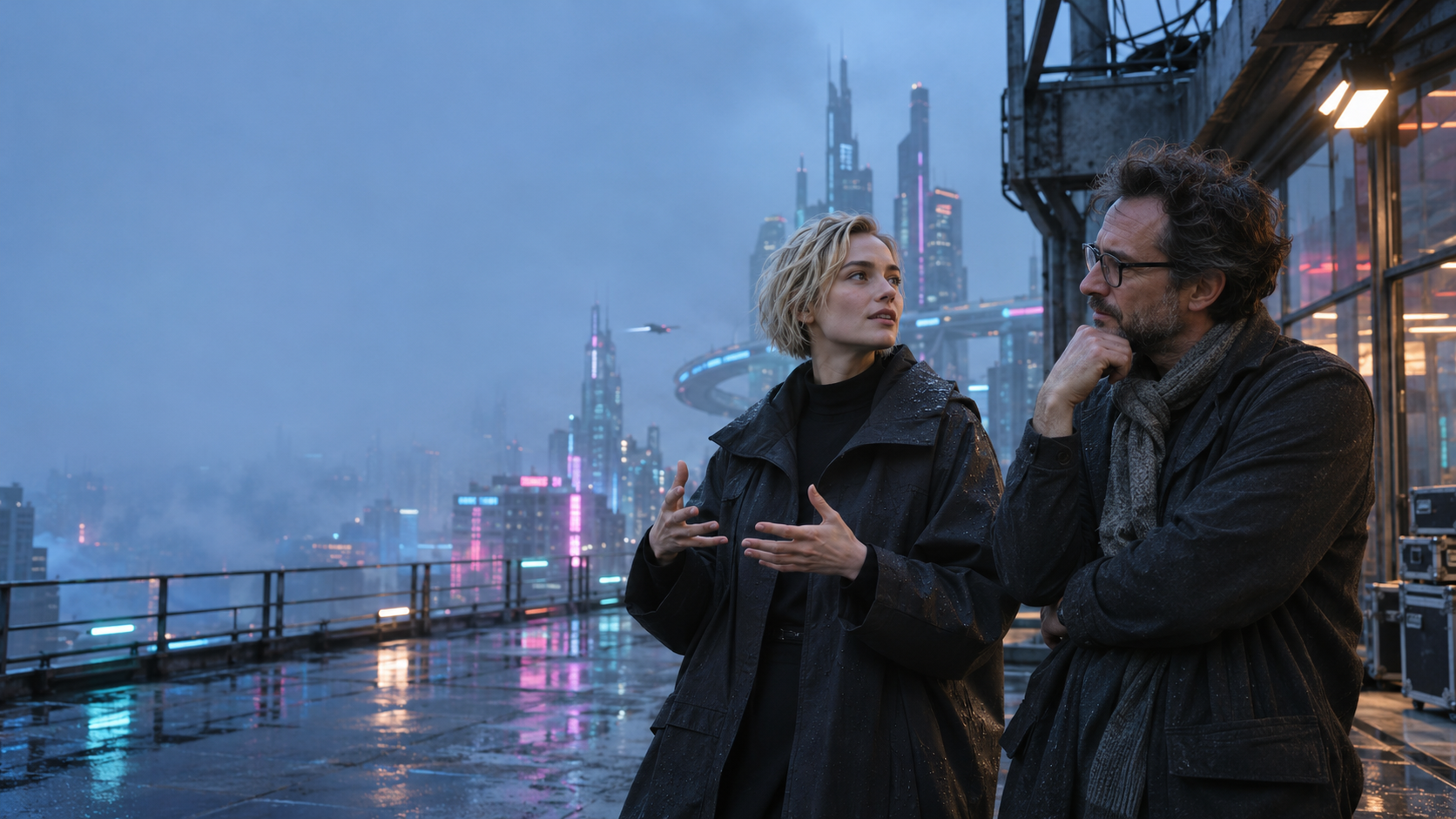 Blade Runner 2099 Goes Beyond AI, Stars Say
-
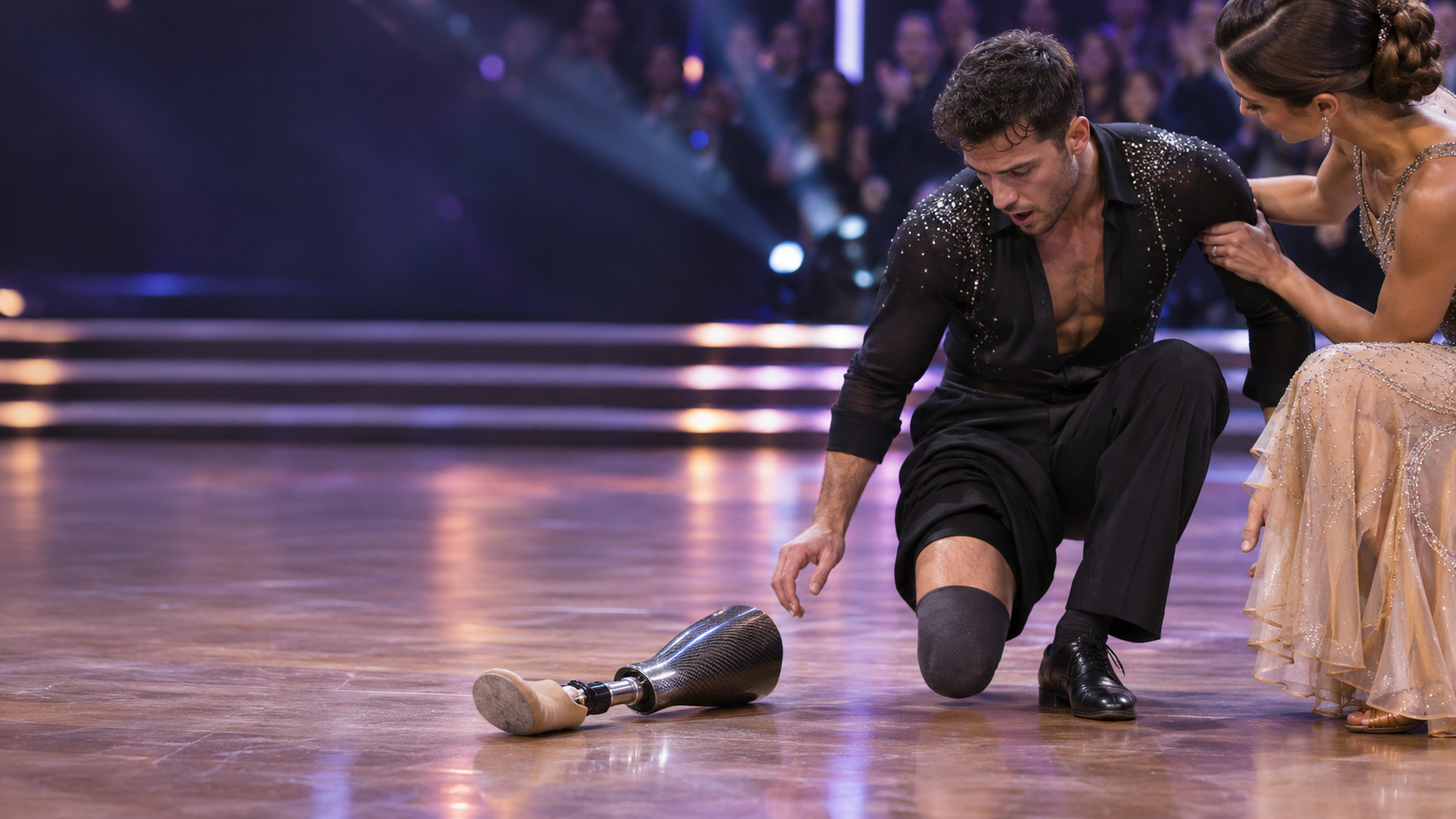 Ezra Frech on DWTS Finale Prosthetic Mishap
-
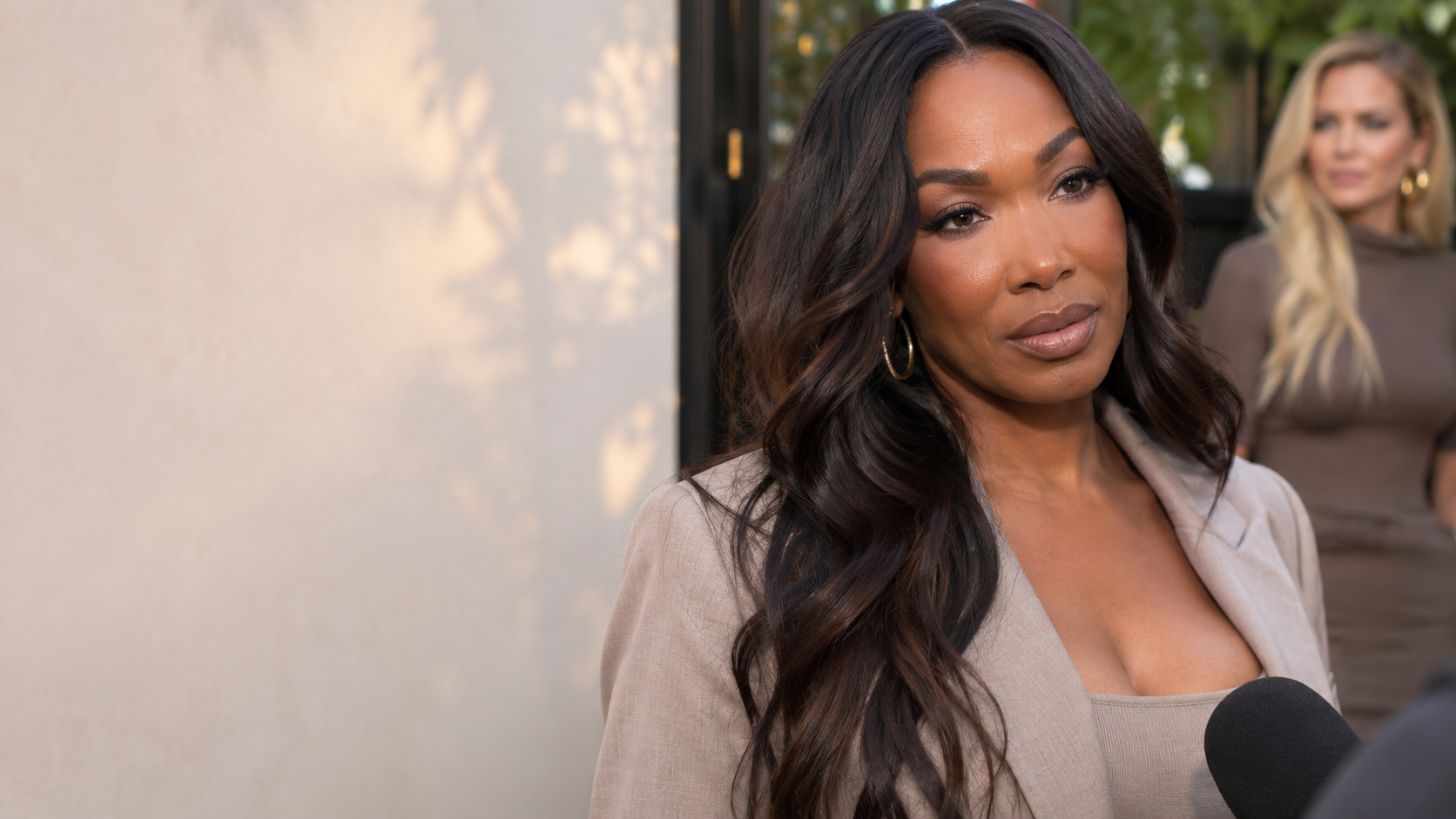 Malika Haqq Addresses Khloé Kardashian Feud Rumors
-
 Macy’s Parade Milestone to Feature Bluey and Megan Moroney
-
 Taylor Swift Showgirl Lawsuit: What We Know